7 History Teacher Outfit: Stylish Looks for Class
Ready to upgrade your teaching vibe? These outfits prove you can look sharp, stay comfy, and spark curiosity all at once. Let’s dive into seven looks that make history feel exciting—without sacrificing practicality.
1. Classy Cardigan and Plaid Power
You may also like:


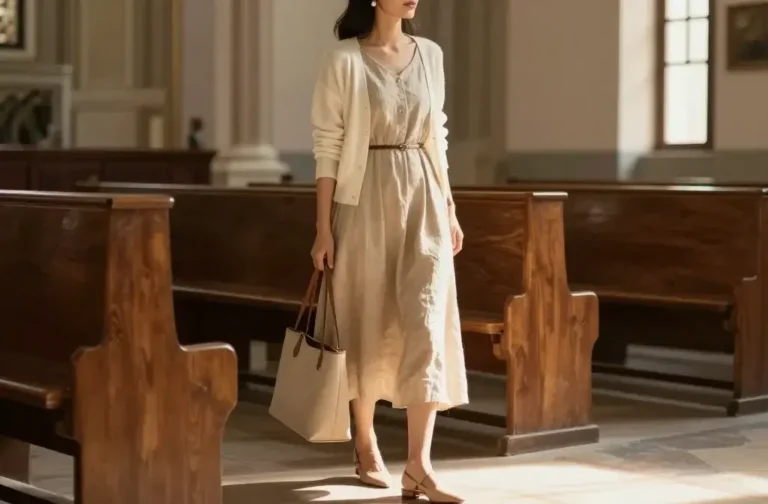
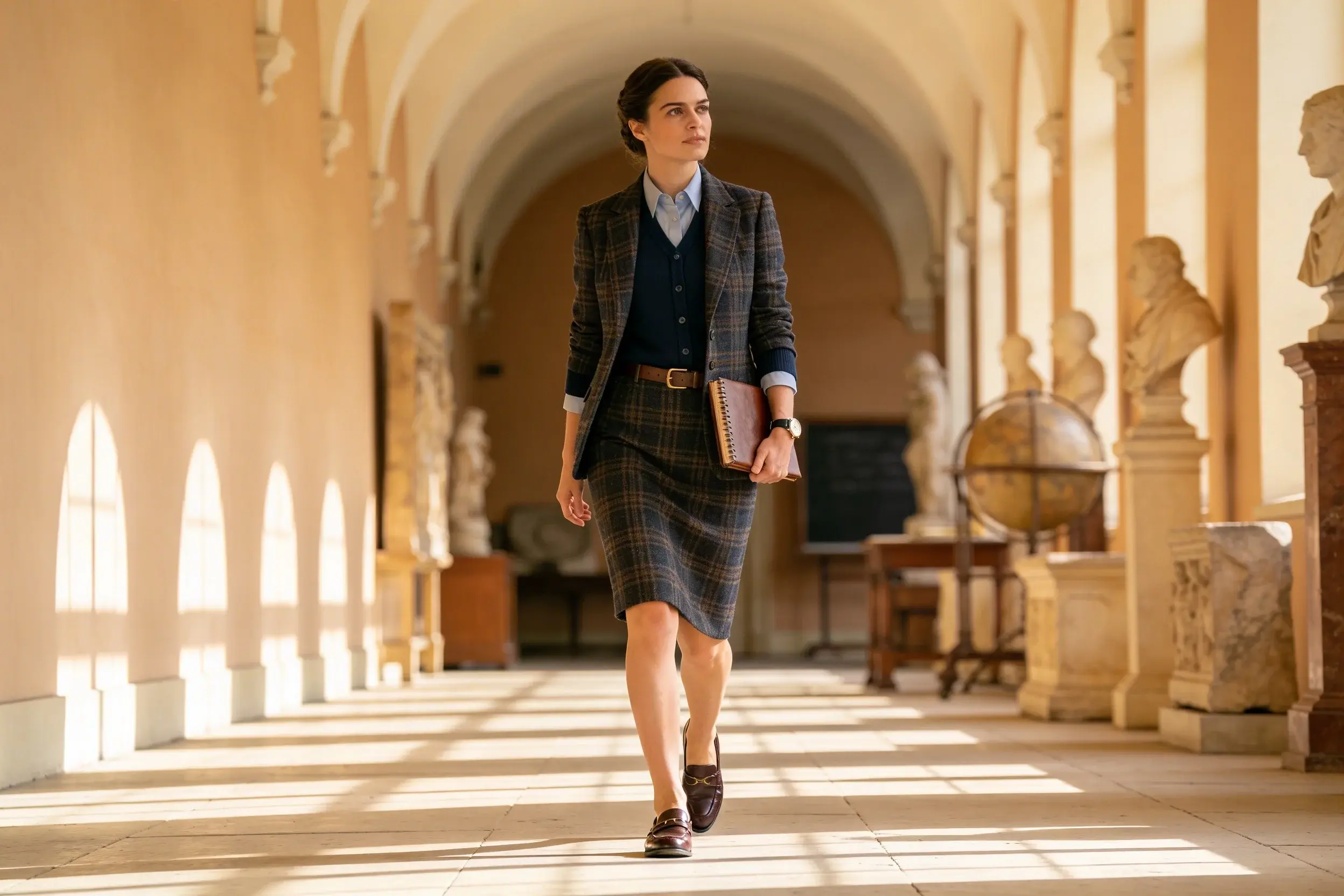
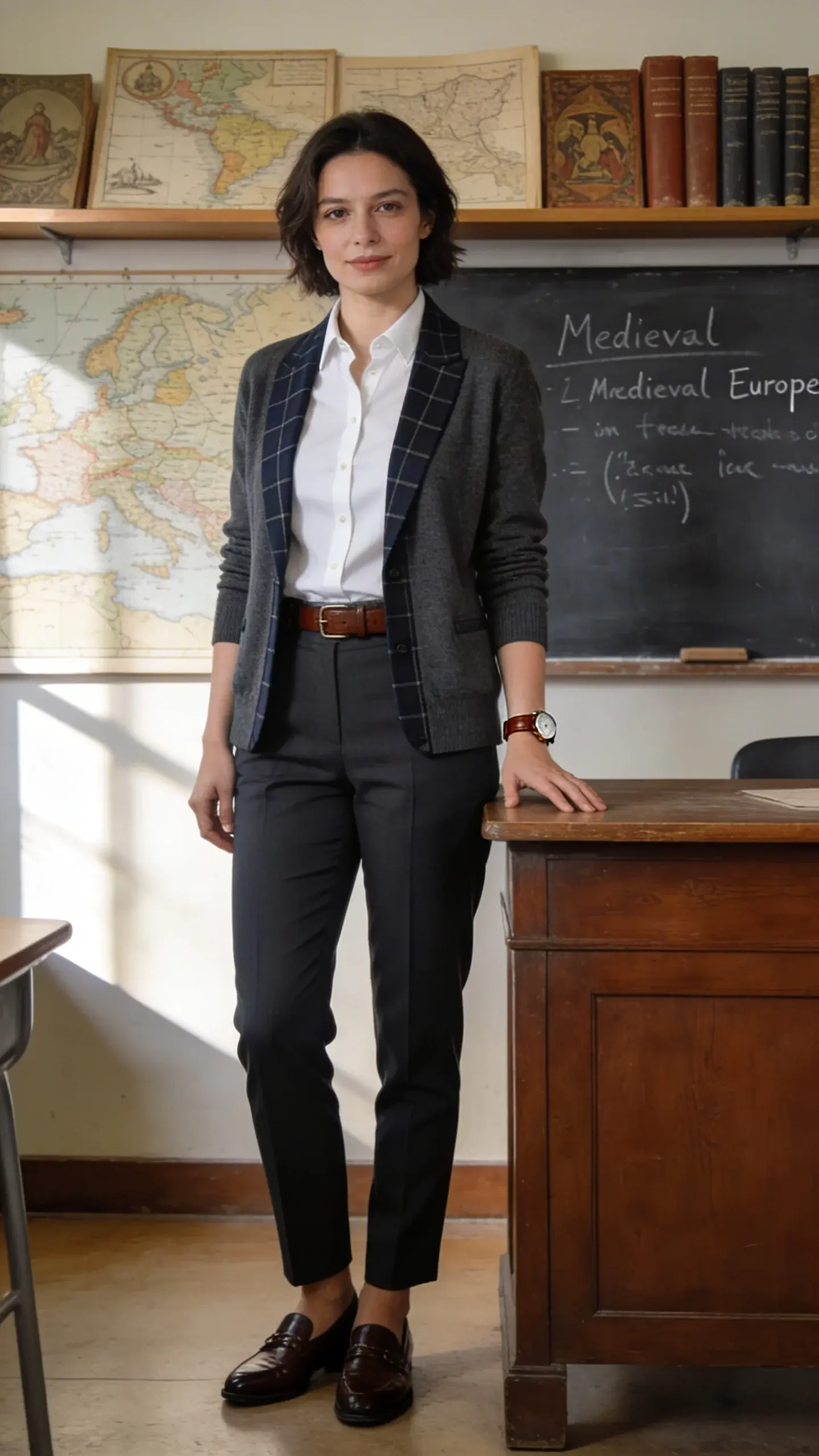
This look screams “knowledgeable but approachable.” A well-fitted cardigan over a crisp shirt signals authority without intimidation. Bonus: you’ll stay warm while leading a chilly lecture on medieval Europe.
Key Elements
- Neutral cardigan (navy, charcoal, or tan)
- Plaid or herringbone blazer for a more formal touch
- Soft wool or cotton button-down shirt
- Comfortable loafers or oxfords
Pair with a subtle watch and a leather belt to anchor the look. FYI, layering adds depth to your silhouette, making you look prepared for anything—from pop quizzes to last-minute field trips.
2. Twill Trench and Vintage-Inspired Dress Codes
You may also like:


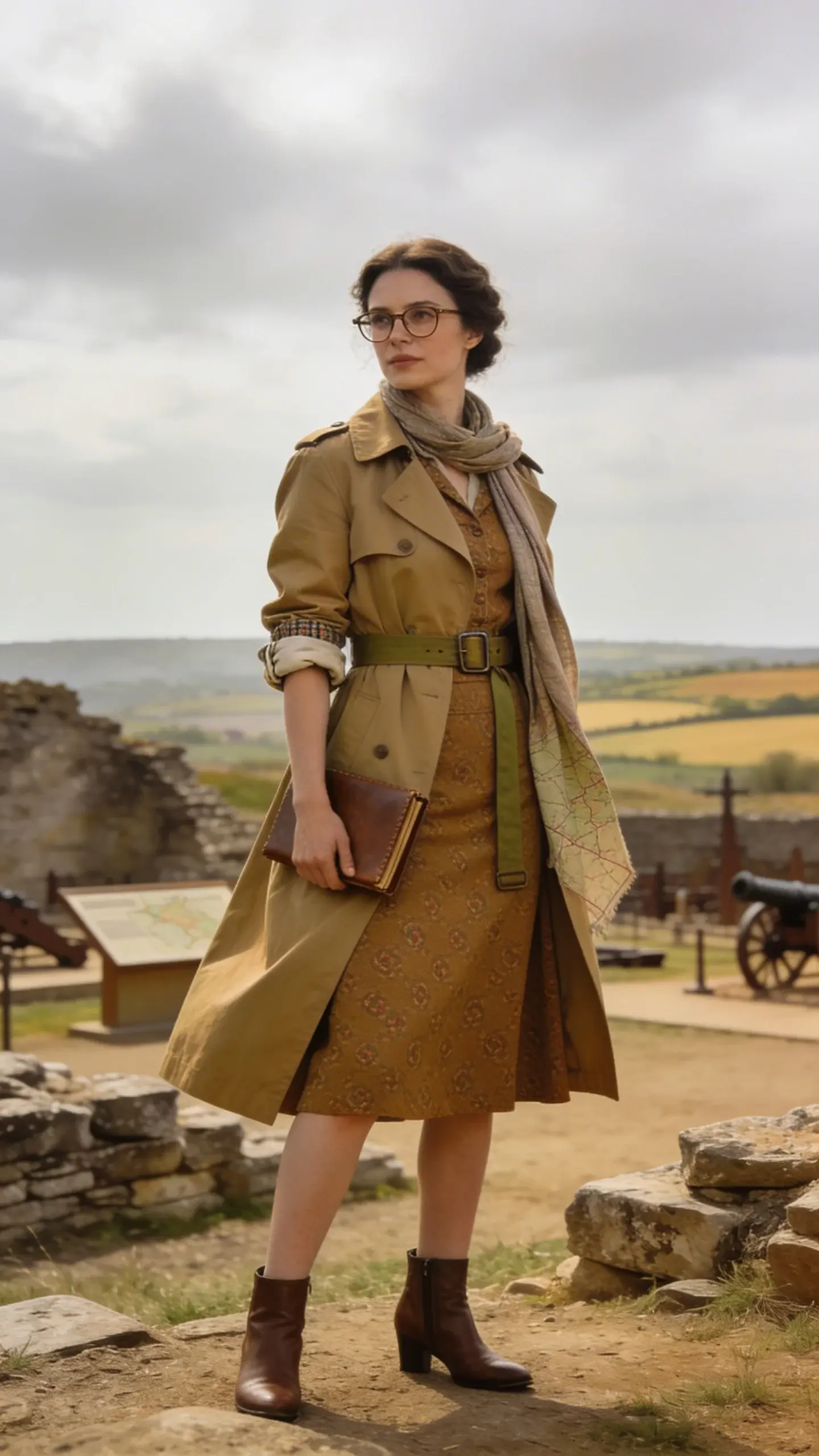
Channel the explorer vibe with a lightweight trench and vintage-inspired pieces. It’s the perfect balance of history-nerd chic and practicality for outdoor excursions to museums or battlefields.
Why It Works
- Trench jackets drape nicely and handle unpredictable weather
- Earthy tones echo classic historiography visuals
- Easy to move in during long tours or reenactment days
Finish with a simple scarf and polished ankle boots. It says, “I’ve read the footnotes and I’m ready to lead you through time.” Seriously, your students will lean in just to bask in the vibe.
3. Modern Minimalist with a Retro Twist
You may also like:


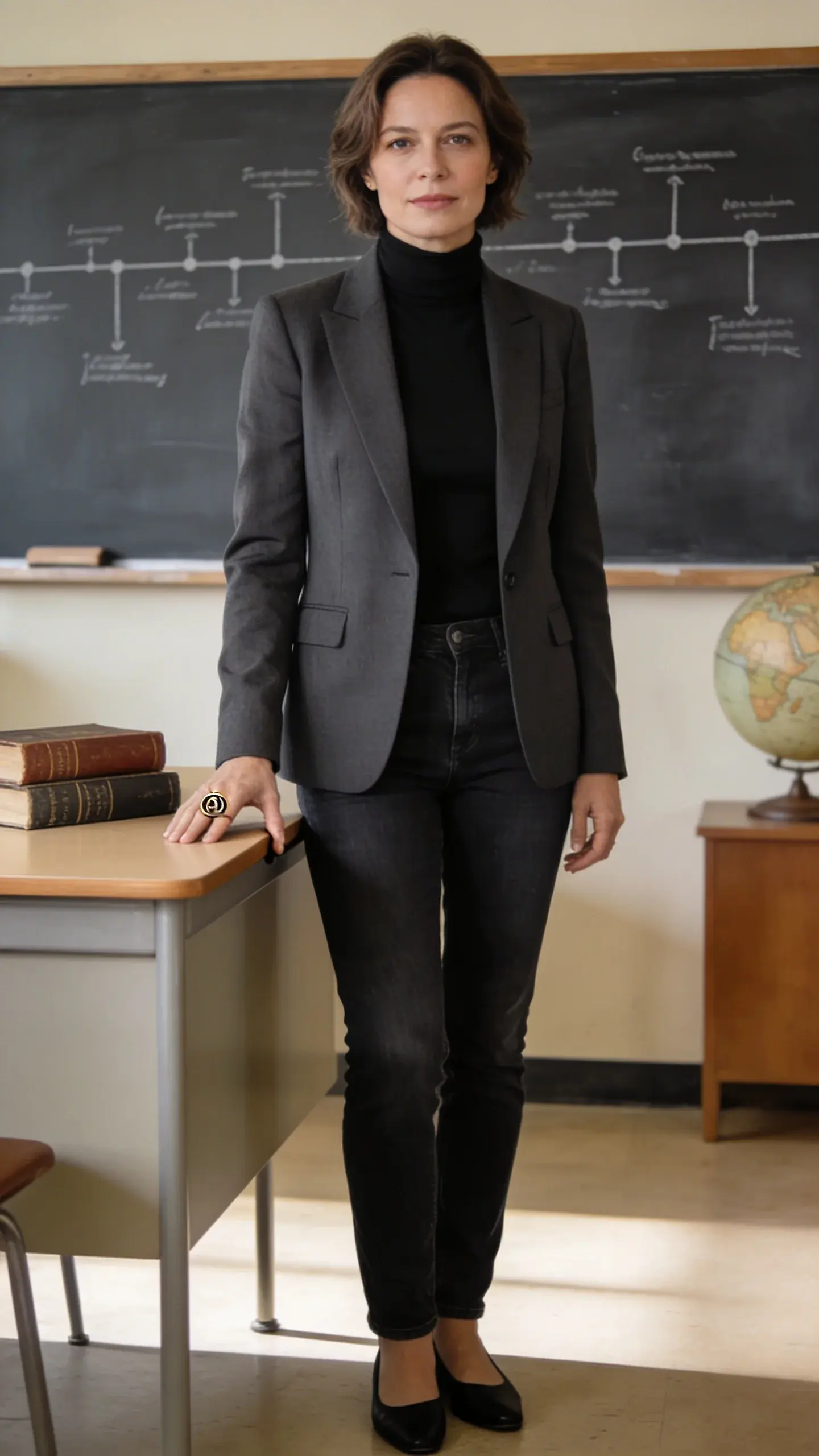
Clean lines meet subtle nods to the past. Think a sleek turtleneck under a structured blazer for a look that says, “I’ve got timelines covered, and I look cool doing it.”
What to Add
- Fitted turtleneck (black or charcoal)
- Tailored blazer in a solid color
- Dark wash jeans or tailored trousers
- Minimalist sneakers or dress shoes
Keep accessories to a minimum—perhaps a slim ring or a quiet pin with a historical symbol. This is your authority-without-trying look. Trust me, students notice when you walk in with effortless calm.
4. Academic Themed Accessories That Spark Curiosity
You may also like:

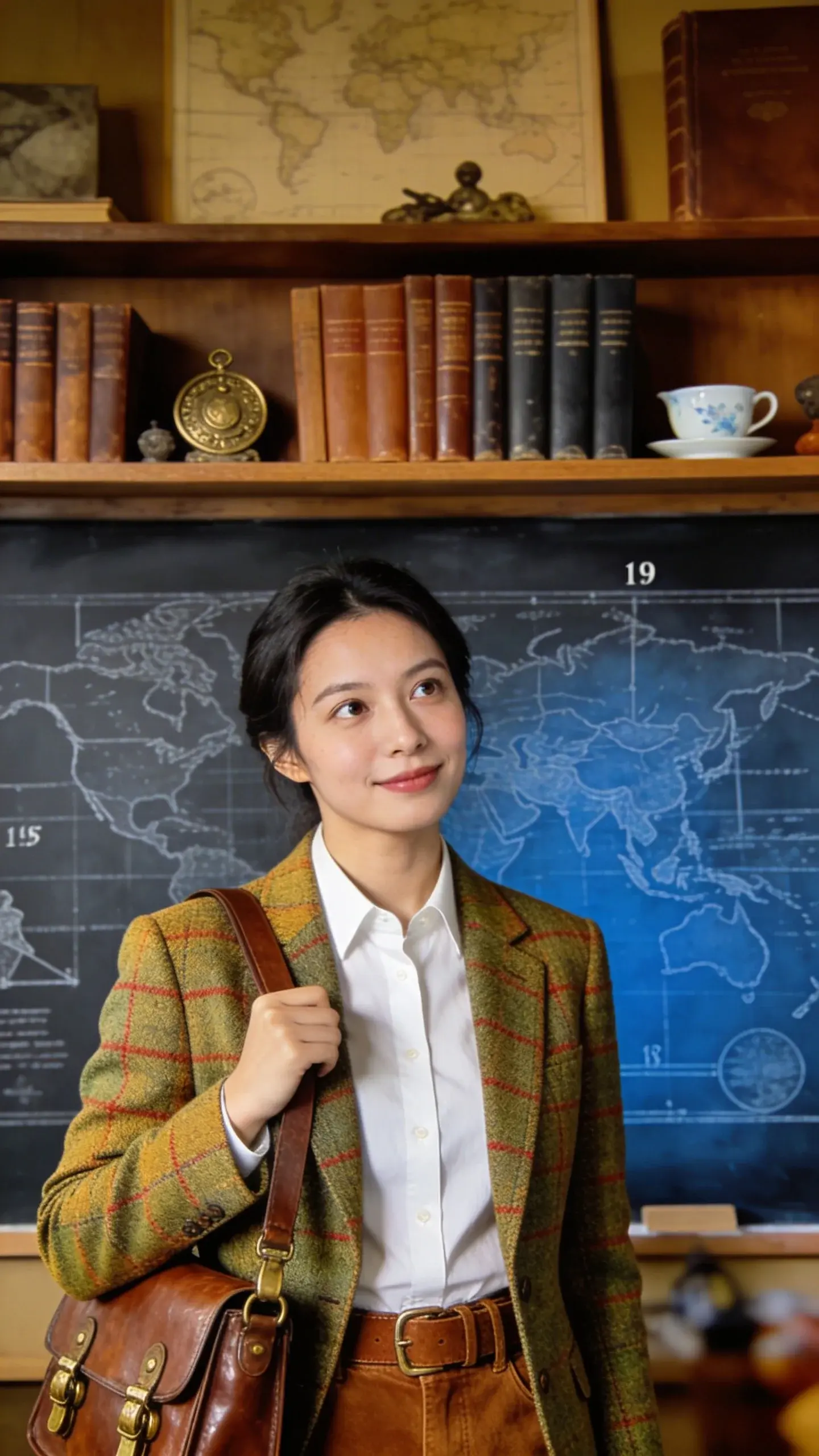
Sometimes a single accessory does all the talking. A few well-chosen items can turn a standard outfit into a conversation starter about a specific era.
Accessory Ideas
- Leather satchel with brass hardware
- Classic pocket watch or faux chain as a nod to timekeeping history
- Histori-themed enamel pins (Roman numerals, maps, famous quotes)
- Brown suede belt that tones with your shoes
Tip: choose items that reflect the unit you’re teaching that day. It’s a quick, nonverbal cue that you’re “in it” with them.
5. Field-Trip Ready Practical Uniform
You may also like:


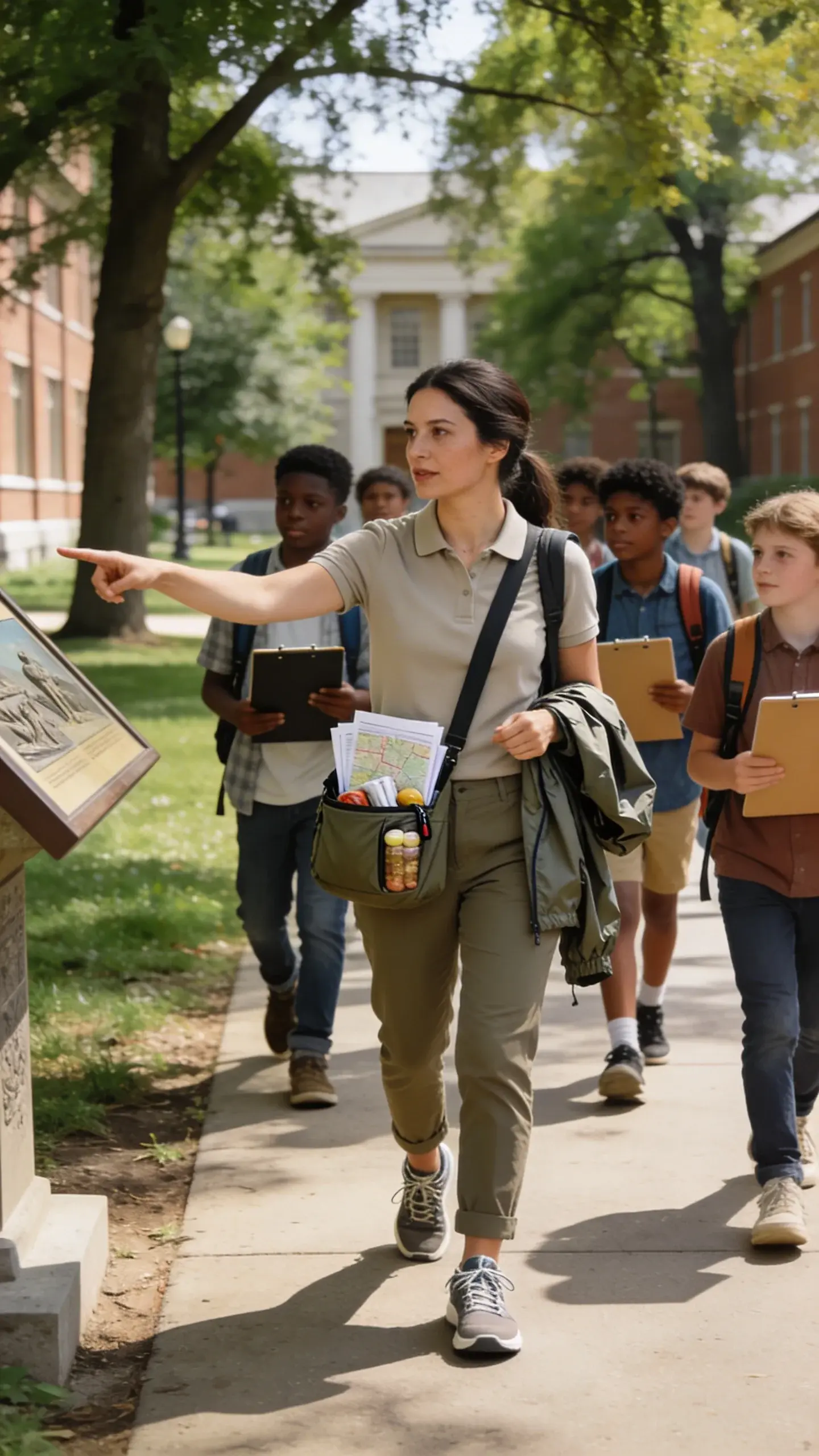
When you’re herding students from point A to B, comfort is king. A practical uniform keeps you on your feet and focused on the lesson, not your knees crying for mercy.
Practical Setup
- Breathable polo or knit top
- Durable chinos or cargo pants with stretch
- Comfortable sneakers or supportive flats
- Light weight rain jacket or windbreaker
End with a roomy crossbody bag to stash maps, worksheets, and snacks. Benefits? You stay organized, students stay safe, and you stay smiling through the chaos. IMO, a well-planned field trip outfit is the unsung hero of a great day.
6. Textured Layers for Everyday History Hype
You may also like:
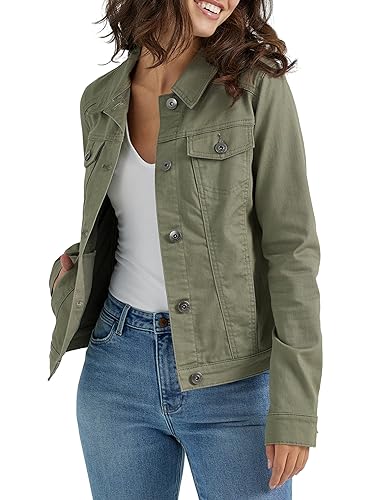
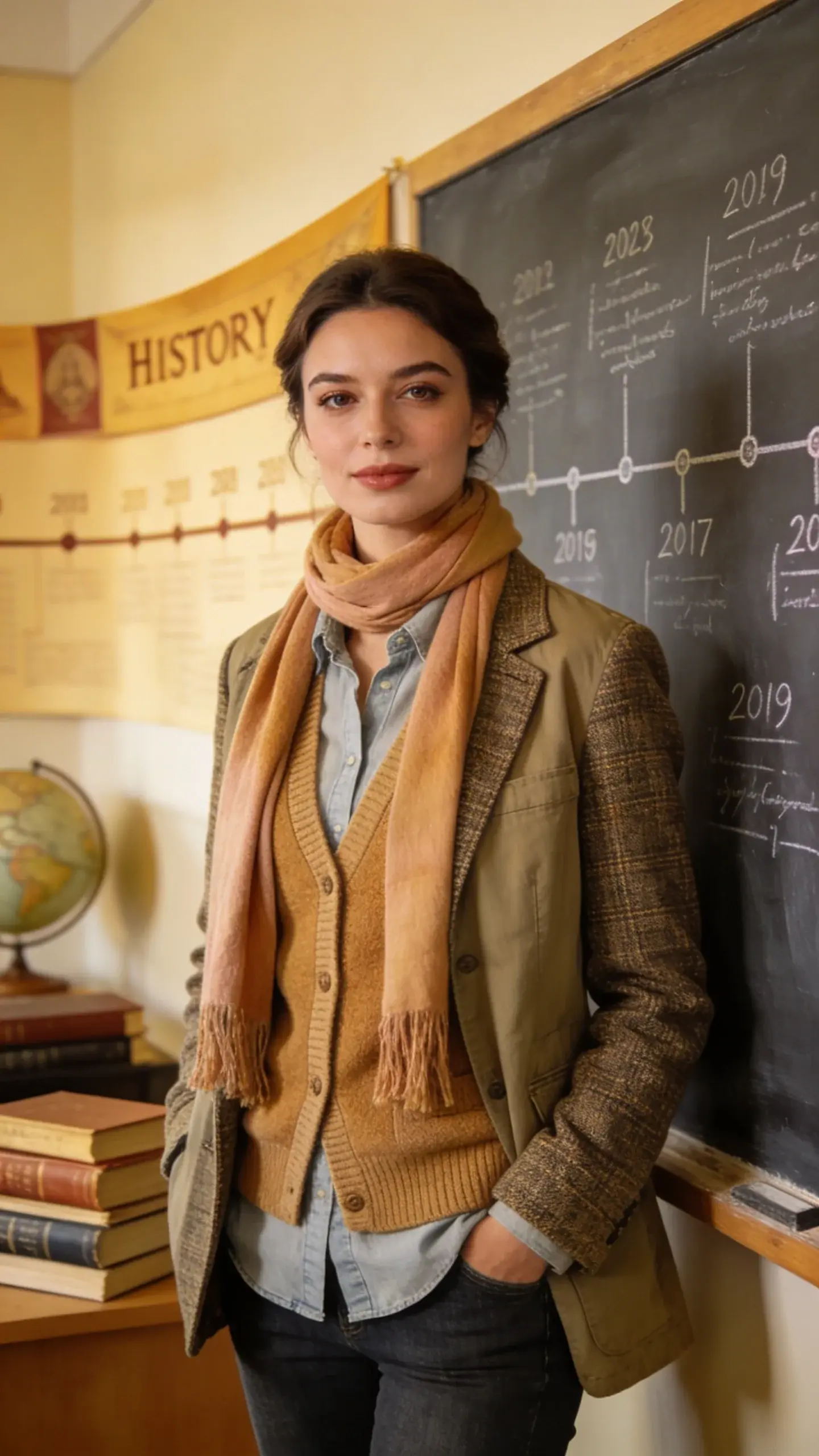
Texture adds depth without shouting. Layer different fabrics to create a visual narrative that mirrors the layers of time you teach.
Texture Checklist
- Chambray shirt for casual structure
- Wool-blend cardigan or cardigan-vest combo
- Canvas or tweed jacket for a strong silhouette
- Soft scarf to add color and warmth
Mix materials like cotton, wool, and denim to keep things interesting. It’s not about following a trend; it’s about showing students that history can be tactile and engaging. Seriously, texture helps memory retention too.
7. Bold Color Moments for Attention-Grabber Classes
You may also like:


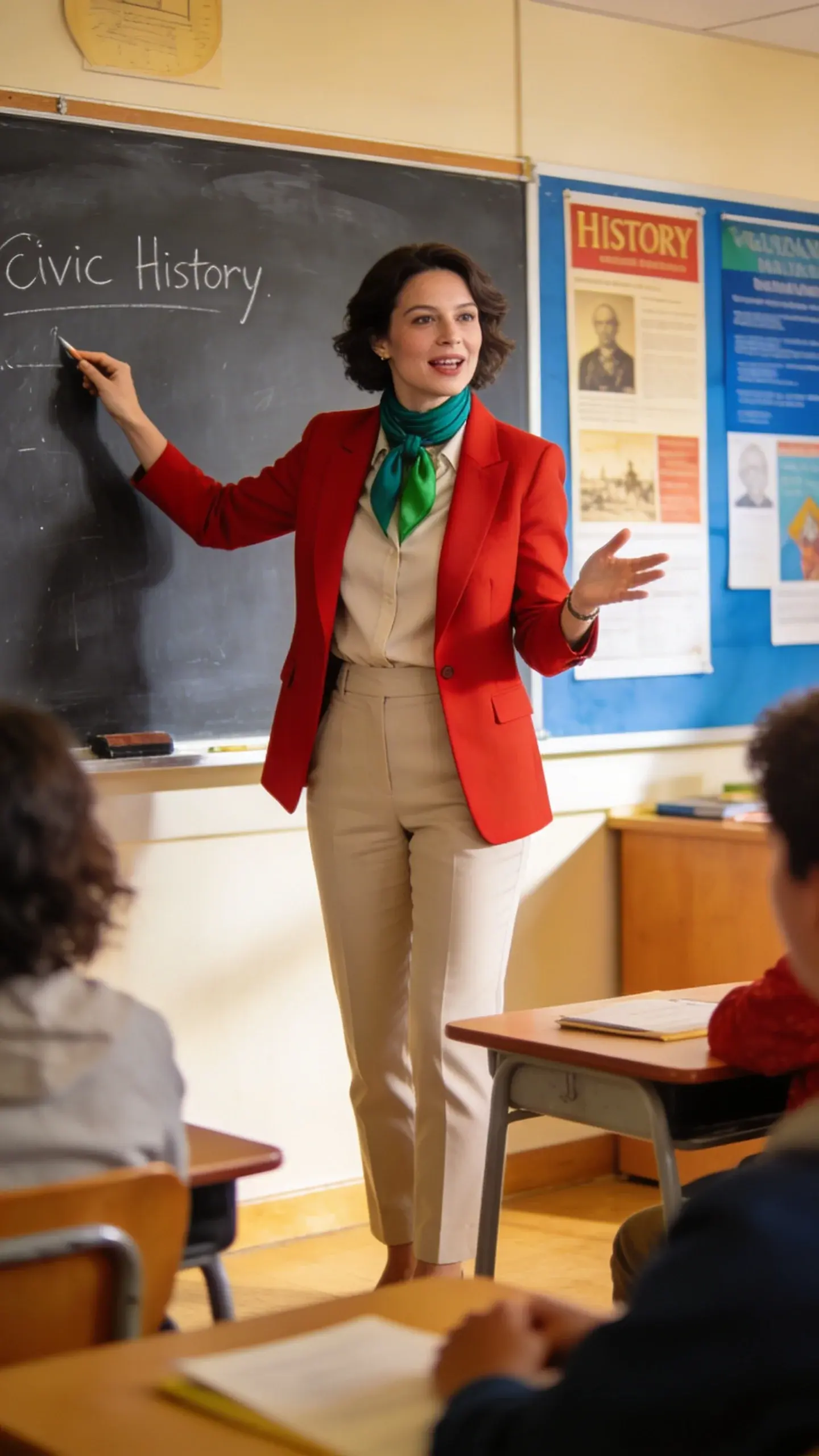
If you need to wake up a sleepy room, a bold color punch can work wonders. A carefully selected color can convey energy, confidence, and enthusiasm for the subject.
Color Key Points
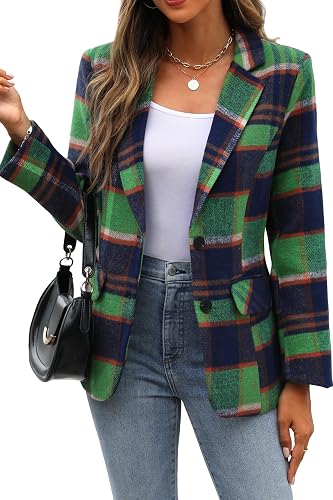
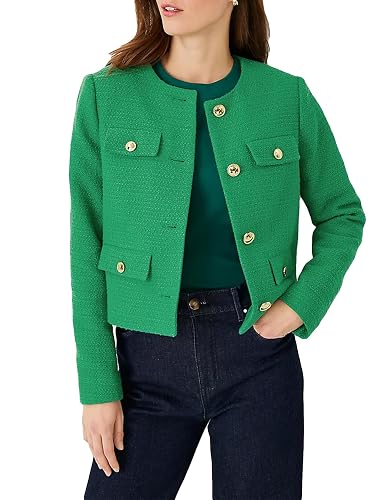
- Crimson or emerald blazers under a simple top
- Accent with a color-coordinated scarf or pocket square
- Keep bottoms neutral to avoid overwhelming the look
Use color purposefully—red for emphasis on a pivotal event, green for a civic meeting, blue for scholarly topics. FYI, color psychology isn’t fake data here; it nudges engagement and helps students key in on the material. Trust me, it works.
Want a quick recap? These seven looks give you versatility: scholarly warmth, explorer vibe, modern polish, thoughtful accessories, field-trip durability, textured depth, and bold color confidence. You don’t need a full closet overhaul—focus on a few adaptable pieces and mix-and-match to suit your unit.
So go ahead and experiment. Grab that cardigan, test the trench on a sunny day, or slip in a retro pin for a pop of conversation-starting charm. You’ve got this, and your students will notice.